




Understanding the Key Differences: Religious vs Secular Funerals

Updated: May 14
When it comes to farewells, understanding the differences between secular funerals and religious funerals is essential. These two types of services reflect distinct worldviews and philosophies about life and death. While both aim to honour the deceased and provide closure for the grieving, they offer varied approaches, rituals, and personalisation options.

The Essence of Secular Funerals
A secular funeral is devoid of religious overtones. It doesn’t follow any established faith-based rituals. Instead, it focuses on celebrating the individual's life, memories, and impact on those around them. Think of it as a deeply personal tribute. Friends and family can tailor the service to reflect the deceased’s unique personality, values, and interests.
In a secular funeral, there is no prescribed format. This flexibility allows for creativity. Whether it’s a favourite song, a beloved poem, or cherished anecdotes, the focus remains on the individual being remembered. This creates a space for heartfelt reflections, laughter, and perhaps even tears. The Structure of a Religious Funeral
In contrast, a religious funeral is steeped in tradition and ritual, often dictated by specific faiths. Whether it’s a Christian, Buddhist, or any other religious service, these funerals typically follow a structured format. They may include prayers, hymns, scripture readings, and a eulogy. Such ceremonies aim to provide solace through faith, guiding the departed to the afterlife.
The structure lends itself to familiarity. For many, this provides comfort during a time of grief. Attendees often find a sense of community, united in shared beliefs. Personalisation: The Heart of Secular Funerals
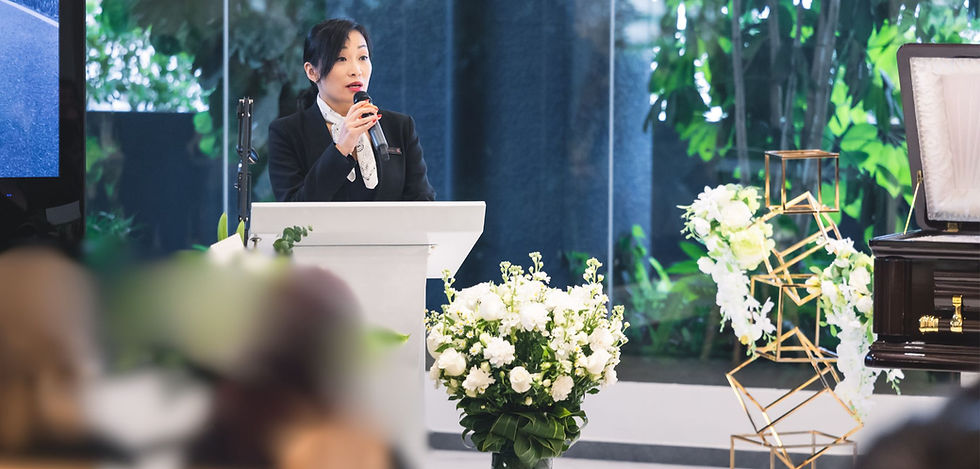
One of the standout features of a secular funeral is personalisation. Families can craft the service in any way they see fit. This can include anything from a casual gathering in a family home to a formal event in a hall. The tone can range from solemn to celebratory.
Visual elements can play a significant role. Families may choose photographs, videos, or even memorabilia that encapsulate the life of the deceased. Personal stories shared by family and friends often take centre stage. These narratives help attendees reflect on shared moments, fostering a deep sense of connection.
The Community Aspect of Religious Funerals
Religious funerals often emphasise community and shared faith. Rituals and prayers can create a powerful collective experience. Participants may find comfort in familiar customs, which can provide a sense of stability amid the chaos of grief. The community often comes together to support the bereaved, reflecting the interconnectedness of faith.
Moreover, the spiritual elements of these services can offer solace. Many attendees leave feeling reassured about the deceased's place in the afterlife. This belief can be a source of strength for those mourning the loss. Grief Expression and Closure
In both types of funerals, expressing grief is crucial. However, the manner of expression varies significantly. In secular funerals, emotional expression may feel more liberated. Attendees might share laughter and joy alongside tears, reflecting the multifaceted nature of grief. The absence of ritual pressure allows individuals to express their feelings authentically.
Conversely, in religious funerals, the focus is often on honouring the deceased’s journey to the afterlife. While attendees are still encouraged to share their feelings, the rituals may guide the tone toward solemnity and reverence. Inclusivity and Diversity in Secular Funerals
Another advantage of secular funerals is their inclusivity. They can accommodate diverse beliefs and backgrounds, making them accessible to everyone. This is particularly relevant in multicultural societies where attendees may come from various religious or non-religious backgrounds.
By omitting religious references, a secular funeral can engage individuals without any sense of exclusion. The focus remains on the individual’s life, ensuring everyone feels welcome to share their memories. The Limitations of Religious Funerals
On the flip side, the structured nature of religious funerals may not resonate with everyone. For those who do not hold the same beliefs, the service might feel alienating. Attendees may struggle to connect with the rituals or may feel pressure to conform to practices that do not align with their views.
This can lead to discomfort during a time that already feels challenging. While the community aspect of religious funerals is valuable, it may not suit those who prefer a more individualised farewell. Choosing Between the Two
When deciding between a secular and a religious funeral, it ultimately comes down to the wishes of the deceased and the preferences of the family. Reflecting on the values and beliefs of the departed can guide this decision.
If the individual embraces a particular faith, a religious service may be appropriate. Conversely, if they identified as secular, a more personalised, non-religious approach may be fitting. Understanding these distinctions can lead to a more meaningful farewell. Choosing the Right Funeral Service with The Life Celebrant
Understanding the differences between secular and religious funerals is crucial for making informed decisions during a difficult time. Secular funerals focus on celebrating the life of the deceased without religious elements, while religious funerals are steeped in tradition, faith, and rituals that honour the deceased’s beliefs.
At The Life Celebrant, we understand that every family has unique needs and preferences. That's why we proudly cater to both religious and secular funerals, ensuring that you receive the support and services that resonate with your family's values and wishes. Whether you seek a serene, reflective service or a vibrant celebration of life, we are here to help you navigate this journey with compassion and care.
Feel free to reach out to us for guidance and support as you honour your loved one in a way that feels right for you. Call us at +65 6684 8488 or WhatsApp us at +65 9126 3386 today.


Comments